China’s ‘Guochao’ (国潮) 3.0: How Foreign Brands Can Authentically Participate in the National Trend
Introduction
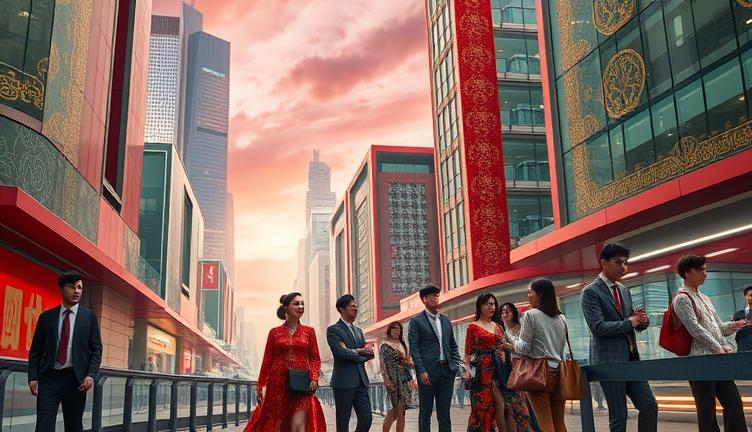
Guochao (国潮), which literally means “national trend,” has evolved into a powerful cultural and consumer movement in China. Guochao 3.0 represents the latest wave of this phenomenon, emphasising sophisticated design, aesthetics, and cultural pride deeply rooted in Chinese nationalism and intangible cultural heritage.
According to Daxue Consulting, approximately 80% of China’s Gen Z consumers are actively engaged with Guochao trends, making it a crucial consideration for any brand seeking relevance in the Chinese marketplace. This demographic isn’t merely interested in products with Chinese elements—they’re embracing a complete cultural renaissance.
“Guochao has evolved from simple nostalgia to a refined expression of cultural confidence and national pride,” notes Hub of China in their analysis of this market shift. This evolution represents a fundamental change in how Chinese consumers view domestic products versus international offerings.
The impact of Guochao 3.0 extends beyond youth culture into the mainstream Chinese consumer landscape. Domestic brands have leveraged this trend to gain significant market share over international competitors, with the Daxue Consulting Playbook (2022) documenting numerous cases of local brands outperforming global giants by successfully incorporating Chinese cultural elements.
For foreign brands, navigating Guochao presents unique challenges. Cultural missteps can lead to immediate backlash, while competition from increasingly sophisticated local brands intensifies. Retex’s analysis highlights how Gen Z consumers actively amplify Guochao trends through digital channels, demanding authenticity and cultural relevance from all brands.
This guide aims to provide international companies with actionable strategies and insights to authentically participate in China’s Guochao movement while respecting its cultural foundations.
Evolution of Guochao
Phases of Guochao Development
Guochao 1.0 emerged around 2010, driven primarily by nostalgia and focused on streetwear and urban culture. This initial wave celebrated familiar Chinese brands and childhood memories, often with a retro aesthetic.
Guochao 2.0 shifted towards “Made-in-China” pride and technology integration, with consumers embracing domestic innovation and quality. This phase coincided with rising national confidence and the growth of China’s tech giants.
Guochao 3.0, the current manifestation, places emphasis on sophisticated design, cultural aesthetics, and the development of cultural intellectual property (IP). Jing Daily notes that this phase has particularly transformed the luxury sector, where heritage and craftsmanship now command premium value.
Current Trends in Guochao 3.0
The rise of cultural IPs stands out as a defining feature of this latest phase. Traditional Chinese symbols, designs, and artistic elements have been reimagined for contemporary audiences while maintaining cultural integrity.
The Daxue Consulting Playbook (2022) reveals that 75% of Chinese consumers now prefer products with Guochao design elements, demonstrating how deeply this trend has penetrated consumer preferences.
Nationalism plays a significant role as well, with brands increasingly expected to demonstrate respect for Chinese culture and values. This isn’t simply about incorporating Chinese elements. It’s about understanding and honouring the deeper meaning behind cultural symbols.
Cultural Elements Driving the Trend
Patriotism and cultural pride form the foundation of Guochao 3.0. Traditional values, from respect for history to appreciation of craftsmanship, are being embraced by younger consumers rather than rejected.
Retex’s research on Gen Z behaviour highlights how this demographic reappropriates tradition into contemporary consumption patterns. Far from rejecting the old, they’re finding new ways to celebrate China’s cultural heritage through modern products and experiences.
Strategies for Foreign Brands
Localisation Approaches
Successful foreign brands recognise that localisation goes beyond translation. It requires adapting products and marketing strategies to resonate with local tastes, values, and cultural contexts.
CPL Aromas notes in their sector-specific analysis that even sensory categories like fragrances must be localised: “Chinese consumers may respond differently to certain scent profiles based on cultural associations and local preferences.”
Effective localisation strategies include:
- Developing China-specific product lines
- Creating packaging that incorporates meaningful Chinese design elements
- Adjusting features to suit local consumer behaviours
- Localising marketing messages beyond simple translation
Cultural Sensitivity Best Practices
Understanding and respecting Chinese culture is non-negotiable for brands hoping to participate in Guochao. Jing Daily emphasises that successful brand collaborations are those that demonstrate genuine appreciation rather than appropriation.
Key practices include:
- Thorough research on cultural symbols before incorporation
- Consultation with cultural experts during product development
- Testing concepts with Chinese consumers before launch
- Creating products that honour rather than exploit cultural elements
Influencer Partnerships for Authentic Connection
Local influencers can help foreign brands bridge cultural gaps and establish authentic connections with Chinese consumers. The Daxue Consulting Playbook recommends focusing on KOLs (Key Opinion Leaders) who align with both the brand values and Guochao aesthetics.
Effective influencer partnerships should:
- Prioritise authentic cultural knowledge over follower counts
- Include influencers in product development, not just promotion
- Focus on long-term relationships rather than one-off promotions
- Allow creative freedom within brand guidelines
Authentic Storytelling Techniques
Crafting narratives that align with Guochao values requires a deep understanding of what resonates with Chinese consumers. CPL Aromas recommends “empowering local designers and influencers to tell authentic stories that connect with Chinese cultural pride.”
Effective storytelling approaches include:
- Highlighting genuine connections to Chinese culture
- Focusing on shared values rather than surface-level symbols
- Creating content that acknowledges Chinese cultural contributions
- Developing narratives that resonate emotionally with local audiences
Challenges and Solutions
Avoiding Cultural Missteps
Foreign brands frequently stumble when attempting to engage with Chinese cultural elements. Common pitfalls include:
- Misunderstanding the meaning of cultural symbols
- Appropriating without proper respect or understanding
- Making tone-deaf design decisions
The Daxue Consulting Playbook highlights the need to eliminate “Western orientalism” by representing Chinese culture with “Chinese eyes.” This means moving beyond stereotypical or superficial representations to authentic cultural understanding.
Practical solutions include:
- Creating cultural advisory panels of Chinese experts
- Conducting thorough cultural research before design
- Testing concepts with Chinese focus groups
- Building diverse teams including Chinese creatives
Presenting Brands Authentically
Hub of China warns against relying on stereotypes or outdated perceptions of Chinese preferences. Instead, brands should:
- Focus on quality and authentic cultural integration
- Seek early feedback from culturally fluent audiences
- Develop products specifically for the Chinese market
- Create collaborative partnerships with Chinese designers and artists
Case Studies
Successful Foreign Brand Examples
Uniqlo has effectively navigated Guochao trends through localised product lines and strategic collaborations with Chinese designers. Their limited-edition collections featuring cultural elements consistently sell out, demonstrating that affordability paired with cultural relevance creates a powerful consumer proposition.
Similarly, Pandora has successfully tapped into the Guochao 3.0 movement by moving beyond generic charm bracelets to creating specific collections inspired by the Chinese zodiac and traditional festivals. By collaborating with Chinese designers to reinterpret these symbols through a contemporary lens, they have maintained their brand identity while signalling deep respect for local traditions.
Lessons from Brand Failures
Conversely, the landscape is littered with cautionary tales of international giants who misjudged the sentiment of Guochao 3.0. A notable example involves a major fashion house that faced a severe boycott after using a model in a campaign that Chinese netizens felt portrayed Chinese women in a stereotypical and unflattering light. The backlash was swift and coordinated, proving that Gen Z consumers are vigilant guardians of their image and culture.
The Charlesworth Group Perspective
Navigating the Guochao 3.0 landscape requires more than just a marketing budget; it demands cultural fluency. At Charlesworth Group, we understand the Chinese audience and how they think. We recognize that the Chinese market is a unique ecosystem where history, modernity, and digital innovation converge.
For international organisations looking to succeed in this environment, the key is partnership. Authentic engagement cannot be achieved remotely. It requires on-the-ground insights, collaboration with local creatives who understand the nuance of “national trend,” and a commitment to long-term relationship building.
As Guochao continues to evolve from a trend into a fundamental aspect of the Chinese consumer identity. Brands that approach this movement with humility, respect, and a willingness to learn will find a highly engaged and loyal audience waiting for them. Guochao 3.0 is not a passing fad but a structural shift in the Chinese consumer economy. It represents a maturing market that values quality, heritage, and cultural pride. For foreign brands, the opportunity is immense, but the margin for error is slim.
By moving beyond superficial aesthetics to embrace authentic cultural integration, and by leveraging local expertise to navigate the complexities of the Chinese market, international companies can transform Guochao from a challenge into their greatest competitive advantage. If you would like to grow, contact us or email us at connect@charlesworth-group.com.
Related Posts
Beyond K-Pop: Mastering Korea’s ‘Hyoogeun’ (효근) Culture for Authentic Influencer Marketing
Introduction The dazzling world of K-pop has captivated global audiences for years, but beneath the glittering surface lies a deeper cultural landscape that's reshaping Korea influencer marketing. This cultural shift from the well-known Hallyu (Korean Wave) to the more authentic Hyoogeun (효근) represents a fundamental…
What to know about Chinese marketing and government censorship
Introduction Working with a Chinese marketing agency is becoming increasingly essential for global brands looking to tap into one of the world's largest consumer markets. China's digital landscape offers tremendous growth potential, but it also presents unique challenges due to government censorship and regulatory oversight.…

GEO in China: 5 AI Crawling Logics You Must Know
Introduction to GEO and AI in China Generative Engine Optimisation Services are transforming how businesses approach digital marketing in China's unique digital landscape. Unlike traditional SEO, Generative Engine Optimisation (GEO) focuses on optimising content to be cited, summarised, or recommended in AI-generated responses rather than…