Experiences Over Sightseeing: How to Market to Chinese Tourists in the Age of Experiential Travel
The Shift Towards Experiential Travel
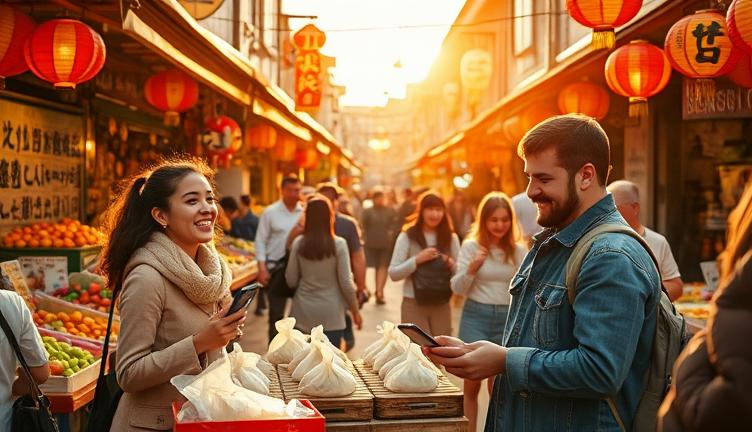
Chinese tourists are increasingly abandoning traditional sightseeing in favour of unique, personalised experiences. This significant shift in experiential travel preferences is reshaping how businesses should approach Chinese tourists marketing.
Today’s Chinese travellers seek adventure-led, immersive activities rather than simply checking landmarks off their lists. They’re embracing safaris, study tours, cultural immersions and wellness experiences that offer deeper connections to destinations.
This transformation is particularly evident among Gen Z and millennial travellers, who prioritise active travel, wellness experiences, and cultural immersion over passive sightseeing. These demographic groups are driving the demand for authentic, engaging activities that create lasting memories.
For businesses and marketers looking to attract Chinese tourists, understanding and adapting to these evolving preferences isn’t just beneficial, but it’s essential for success in travel marketing in China.
Understanding Chinese Travel Behaviour
Evolving Travel Trends
The evolution from package tours to experiential focus is clear in current Chinese travel behaviour. We’re seeing:
- Independent travel (FITs) rising to 56% for Golden Week, and 71% among 18-24 year-olds
- Solo trips increasing 8% compared to 2019
- Couples travel up 6%
- ‘Bleisure’ travel (combining business and leisure) with 83% of travellers seeing potential
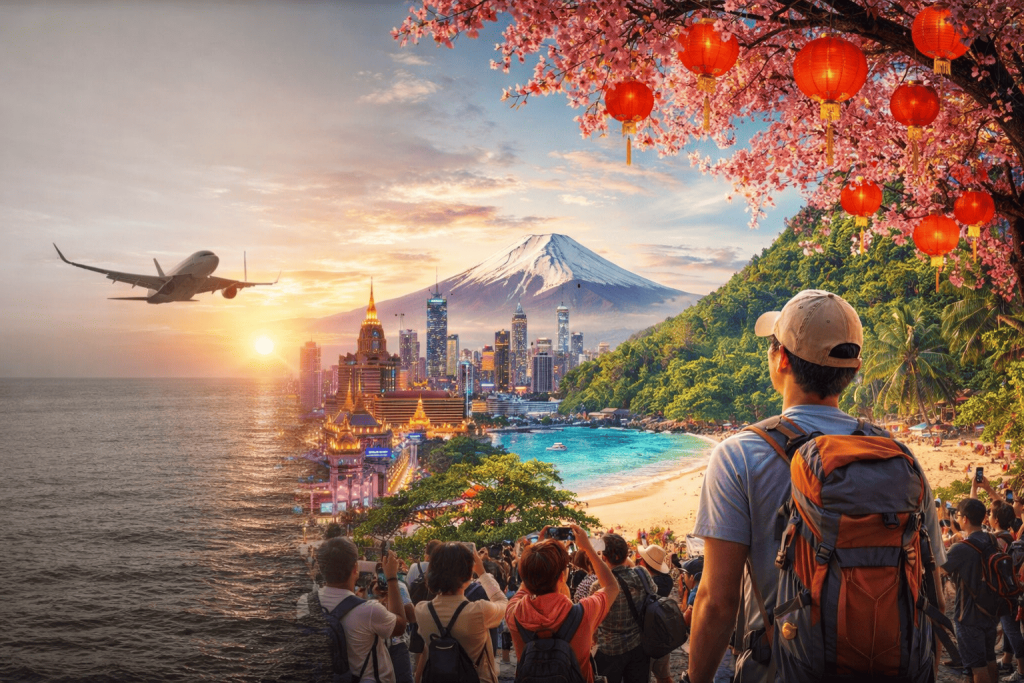
Long-haul travel has dipped while domestic and regional Asian destinations like Japan, Malaysia, and Thailand have gained popularity, with outbound travel during Chinese New Year increasing 48% year-over-year.
Changing Preferences
Chinese tourists now emphasise authentic travel experiences, quality, and immediacy in their travel choices:
- Gen Z travellers redirect budgets from luxury goods to food, local culture, and wellness experiences
- Travellers seek personal value and meaningful connections
- AI-assisted planning has become popular, with over 60% of travellers using AI tools in their planning process
With tighter budgets, Chinese tourists are becoming more selective, spending on meaningful, non-tick-box experiences that deliver genuine value.
Leveraging Chinese Social Media
Key Platforms
Chinese social media platforms are driving inspiration, planning, and purchasing decisions:
- WeChat: The super-app for communication, payments, and travel bookings
- Weibo: A microblogging platform sharing travel experiences
- Douyin (Chinese TikTok): Video-based inspiration for travel experiences
- Xiaohongshu (RedNote): Seeing 107% year-over-year growth in overseas travel searches
- Ctrip: Leading online travel agency deeply embedded in decision-making
A remarkable 86% of Chinese travellers follow travel influencers, with 53% directly influenced by their content. Younger travellers aspire to key opinion leader (KOL) lifestyles, while those over 35 typically seek deals.
Effective Strategies
For successful social media marketing to Chinese travellers:
- Create AI-enhanced content that resonates with specific audience segments
- Leverage user-generated content to build brand awareness and trust
- Target pre-trip digital research habits, as 78% of Chinese tourists research extensively before travelling
- Collaborate with travel influencers for authentic recommendations
Successful Experiential Marketing Campaigns
Inspiring Examples
Several experiential travel marketing campaigns have successfully connected with Chinese tourists:
- African safari promotions through Xiaohongshu posts have effectively attracted adventure-seeking travellers
- Southeast Asian destinations are leveraging “social shopping” via Xiaohongshu and Douyin to promote lesser-known islands like Redang and Koh Lipe
- Hybrid bleisure/MICE (Meetings, Incentives, Conferences, Exhibitions) offerings in destinations with immersive infrastructure have seen strong engagement
Early departures for short-haul experiences and increased capacity to North American destinations (Canada up 165%) represent other successful approaches to meeting evolving preferences.
Key Campaign Insights
The most successful campaigns share these characteristics:
- Personalisation through customised tour options
- Authenticity, highlighting cultural connections and wellness benefits
- Strong digital pre-trip influence strategies
- Clear value demonstration through immersive engagement
- Adaptation to FIT/solo traveller preferences
- Strategic influencer partnerships
Practical Advice for Businesses
Adaptation Strategies
1. Analyse demographics: Tailor offerings for Gen Z (wellness/culture), seniors (guided hybrid experiences), using AI and data insights to understand specific needs.
2. Develop immersive experiences: Offer safaris, bleisure options, local food tours and cultural activities rather than just sightseeing. Invest in infrastructure for MICE and inbound appeal.
3. Digital integration: Use Xiaohongshu and Douyin for influencer marketing collaborations and AI travel tools for planning. Target pre-trip searches to capture interest early.
4. Create hybrid travel models: Blend FIT options with guides for safety and authenticity. Promote visa-free and easily accessible destinations to reduce friction.
5. Measure via sentiment tracking: Monitor last-minute booking patterns and AI optimism indicators to iteratively improve campaigns.
Behavioural Insights
Leverage these travel behaviour patterns in your marketing:
- 35% of Chinese tourists plan October outbound trips at the last minute
- Influencers significantly sway destination and activity choices
- There’s a marked shift toward immediate enjoyment rather than future benefits
- Travellers respond to tailored, engaging offers that promise unique experiences
The Future of Chinese Tourism
The rise of experiential travel represents a fundamental shift in Chinese tourist behavior that businesses must embrace to remain competitive. From the growing preference for FIT and bleisure travel to the influence of social media and AI-driven personalisation.
To truly connect with this new generation of travelers, brands need more than visibility. They require genuine cultural understanding and strong digital expertise. This is where Charlesworth comes in. With deep, on-the-ground knowledge and a clear understanding of China’s digital ecosystem, we help businesses redesign experiences for independent travelers and reach high-value audiences with precision.
If you want to move beyond simply being discovered to being actively chosen and celebrated, reach out to us at connect@charlesworth-group.com.
Related Posts
Beyond K-Pop: Mastering Korea’s ‘Hyoogeun’ (효근) Culture for Authentic Influencer Marketing
Introduction The dazzling world of K-pop has captivated global audiences for years, but beneath the glittering surface lies a deeper cultural landscape that's reshaping Korea influencer marketing. This cultural shift from the well-known Hallyu (Korean Wave) to the more authentic Hyoogeun (효근) represents a fundamental…
What to know about Chinese marketing and government censorship
Introduction Working with a Chinese marketing agency is becoming increasingly essential for global brands looking to tap into one of the world's largest consumer markets. China's digital landscape offers tremendous growth potential, but it also presents unique challenges due to government censorship and regulatory oversight.…
China’s ‘Guochao’ (国潮) 3.0: How Foreign Brands Can Authentically Participate in the National Trend
Introduction Guochao (国潮), which literally means "national trend," has evolved into a powerful cultural and consumer movement in China. Guochao 3.0 represents the latest wave of this phenomenon, emphasising sophisticated design, aesthetics, and cultural pride deeply rooted in Chinese nationalism and intangible cultural heritage. According…